Please excuse my absence from this blog.  I've been on active duty with the Coast Guard Reserve in Washington and between snow, sleet, and a full email inbox, I've been busy.

Someone forwarded me this video and, although I don't speak Italian, I do understand the international language of military "get-your-butt-in-gear" – speak.


We were saddened to learn that Professor Jon Van Dyke passed away suddenly yesterday. His official accomplishments can be found at the University of Hawaii Law School’s website and the Star-Advertiser’s article

For UH Law alums, “JVD” was a constant presence.  His Constitutional Law I class was required curriculum and focused on the 14th

This morning I presented a seminar on the case of West Linn Corporate Park v. City of West Linn.  The outline of my talk at the Land Use Research Foundatiaon of Hawaii is below:

Personal Property Exactions for Discretionary Permits:
Supreme Court Considers West Linn Corporate Park v. City of West Linn

• Question:  Do the “essential nexus”

One nice feature of the digital age is that it increases transparency in government. 

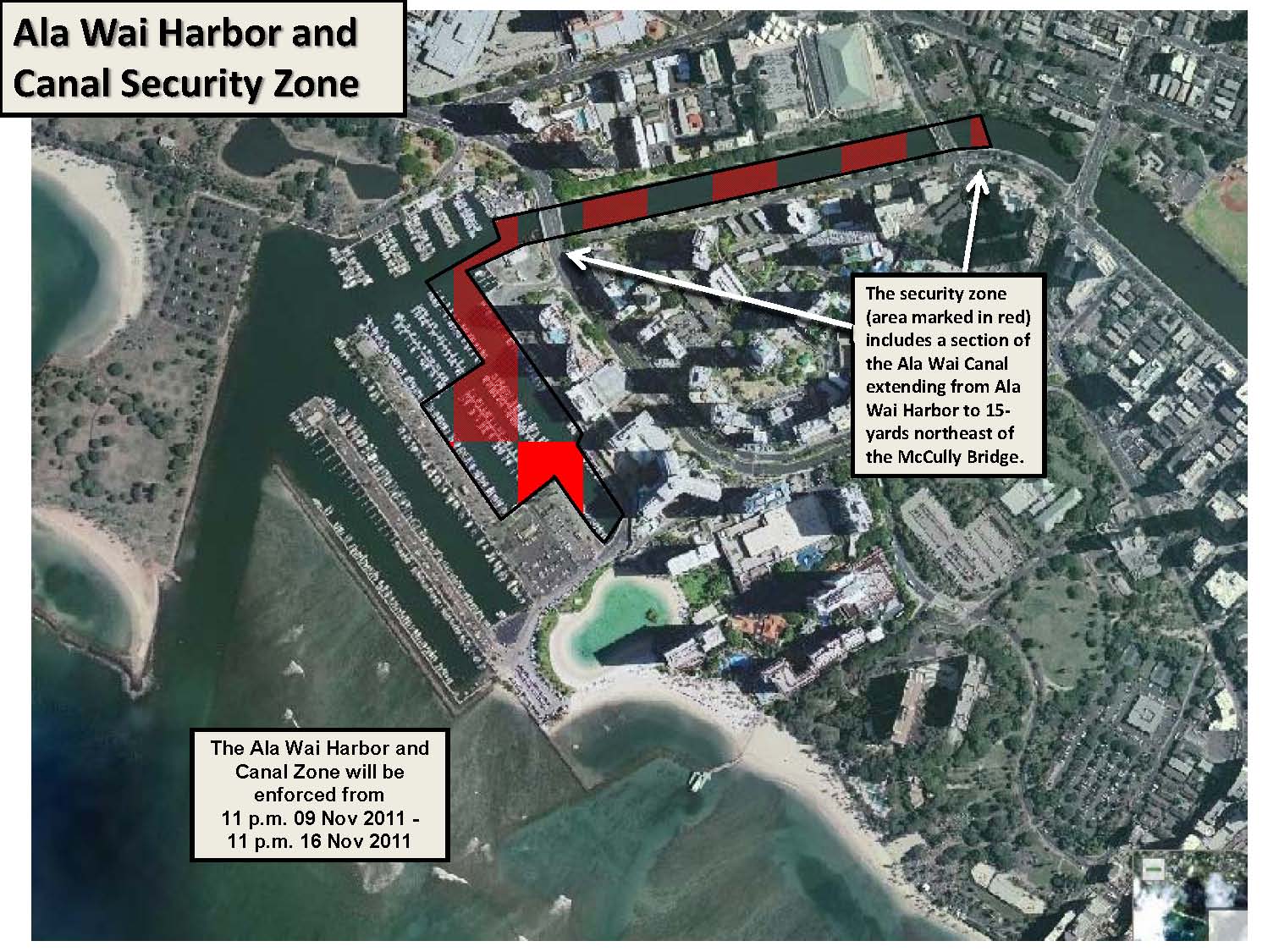
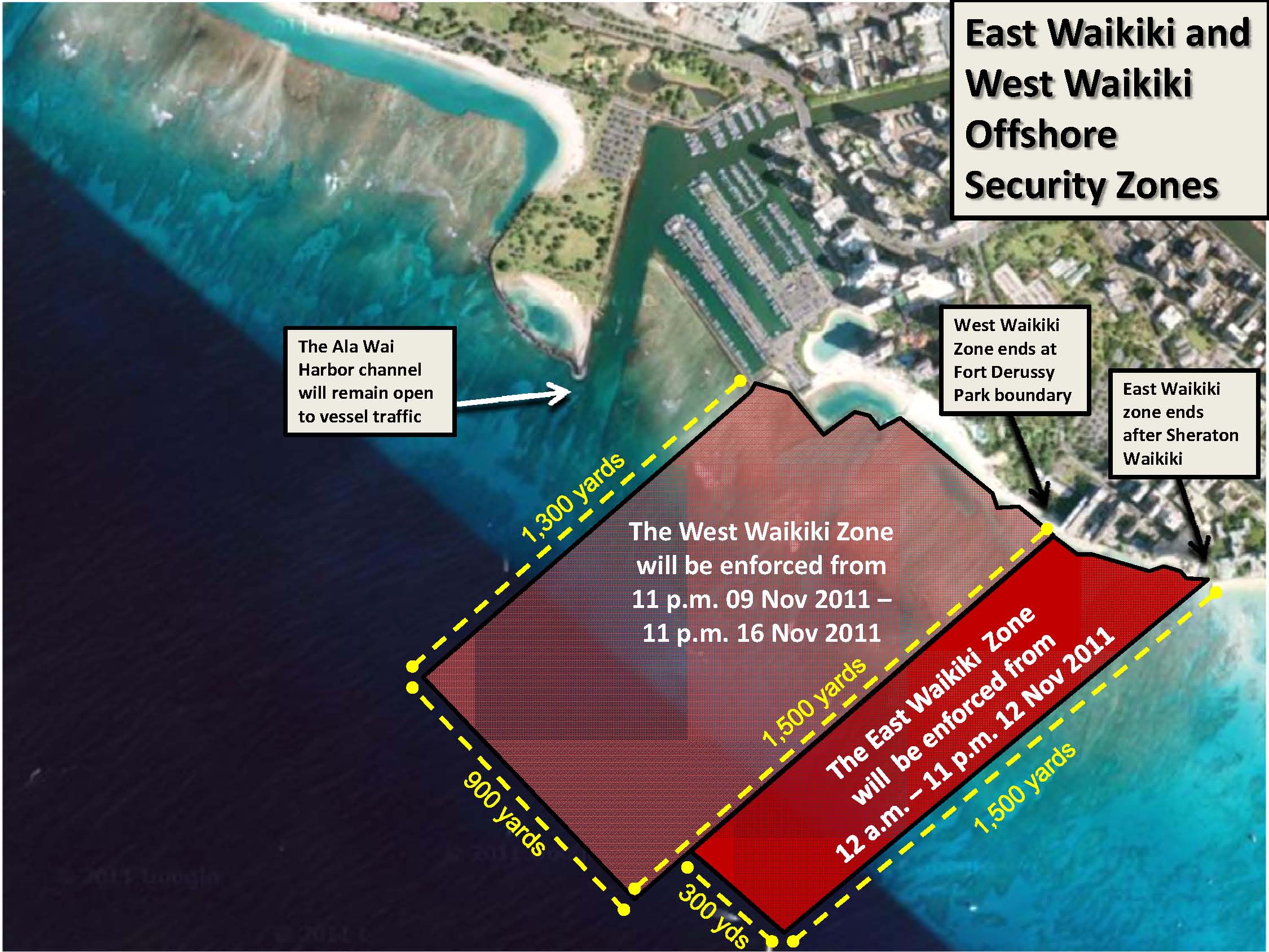
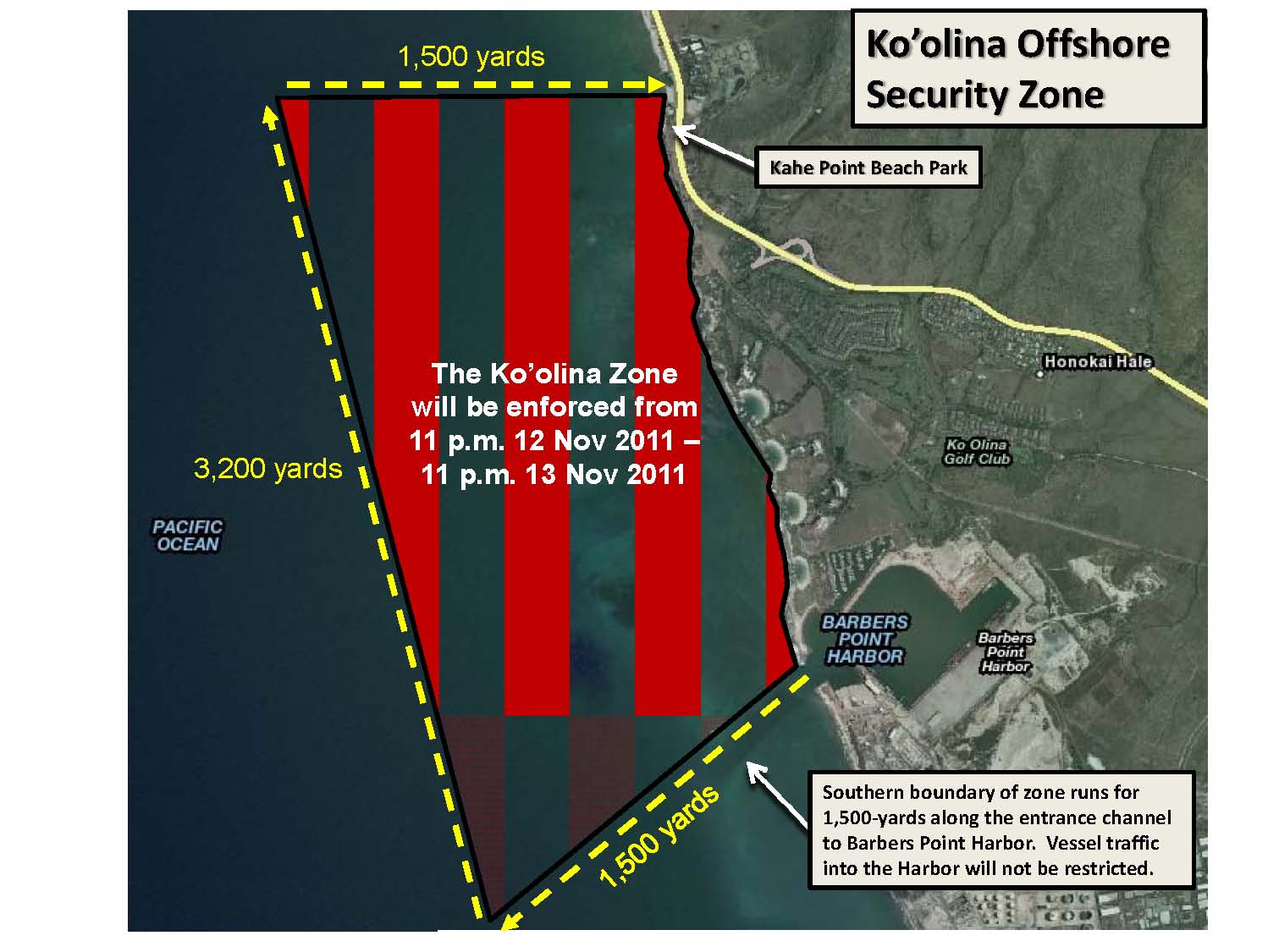
The “docket” for the APEC 2011 Security Zones, as created by the U.S. Coast Guard, has the ability to submit public comments.

Comments so far discuss the impact of the Waikiki security zone on beachgoers, surf schools and the

I just saw the Petitions to Watch on SCOTUSBLOG

Two cases of relevance to this blog (in my humble opinion anyway):

For the Con Law wonks:  Sun v. United States.  This case arises from the federal district court in the Commonwealth of Northern Mariana Islands.  A criminal defendant challenged his criminal conviction on the basis that the trial judge was not an Article III judge, ergo the judge did not have jurisdiction to hear the case.  The Ninth Circuit summarily affirmed the conviction, finding that the judge was an Article IV judge.

For the International Law wonks:  Bowoto v. Chevron.  The petition asks the court whether American companies can be liable under the Torture Victim Protection Act, 28 U.S.C. 1350 which provides:

An individual who, under actual or apparent authority, or color of law, of any foreign nation— (1) subjects an individual to torture shall, in a civil action, be liable for damages to that individual; or (2) subjects an individual to extrajudicial killing shall, in a civil action, be liable for damages to the individual’s legal representative, or to any person who may be a claimant in an action for wrongful death.

No surprise in this petition because the Ninth Circuit acknowledged the split of interpretation of the Death on the High Seas Act, see my earlier post here.  Stay tuned.